Vibathon 2026: how our vibe coding hackathon came to life

Feb 10, 2026

What happens if you give #peopleofdelaware 24 hours, a handful of AI licenses and the freedom to follow their gut? This January, 50 colleagues from across all delaware came together to find out. Read on about our vibe coding hackathon, and get convinced of a format worth trying!

how AI strengthens collaboration

In many ways, our Vibathon resembles a classic hackathon: small, diverse teams, a clear timebox and the ambition to turn ideas into something tangible.

But vibe coding gives the concept extra momentum. Using the GenAI tools available at delaware - such as Copilot, Lovable, Claude or GitHub licenses - the format turns out to be more than just a fun weekend activity:

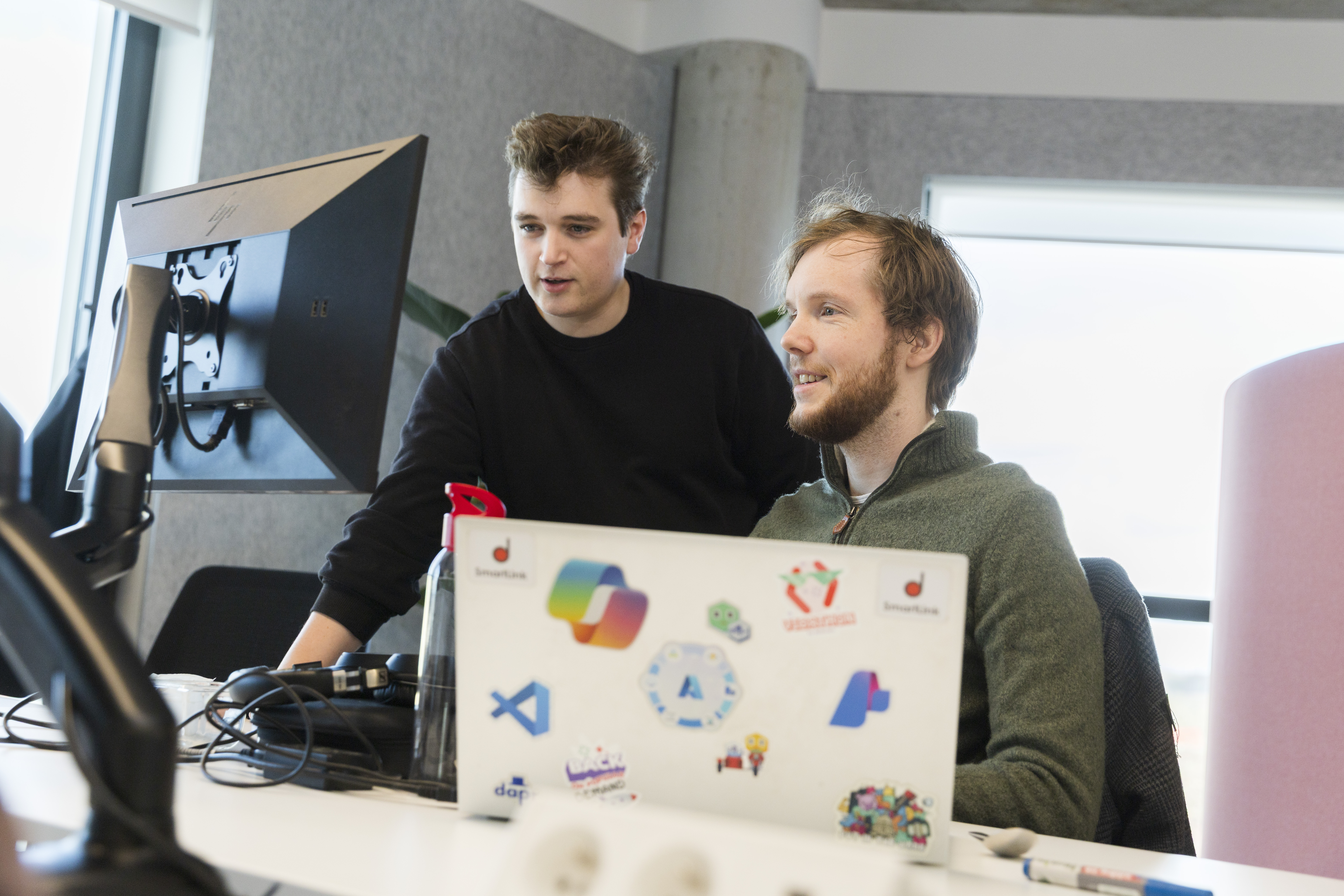
  • First, it changed how we collaborate. Technical colleagues could quickly make functional ideas concrete through visualization and logic, while our functional profiles could actively explore and refine solutions without being dependent on long development cycles. Vibe coding creates a shared language. 
  • Second, it compressed prototyping time. In just 24 hours, teams moved far beyond slides or conceptual discussions. That speed made ideas tangible early on and helped us decide quickly what’s worth taking further.

from everyday idea to Vibathon challenge

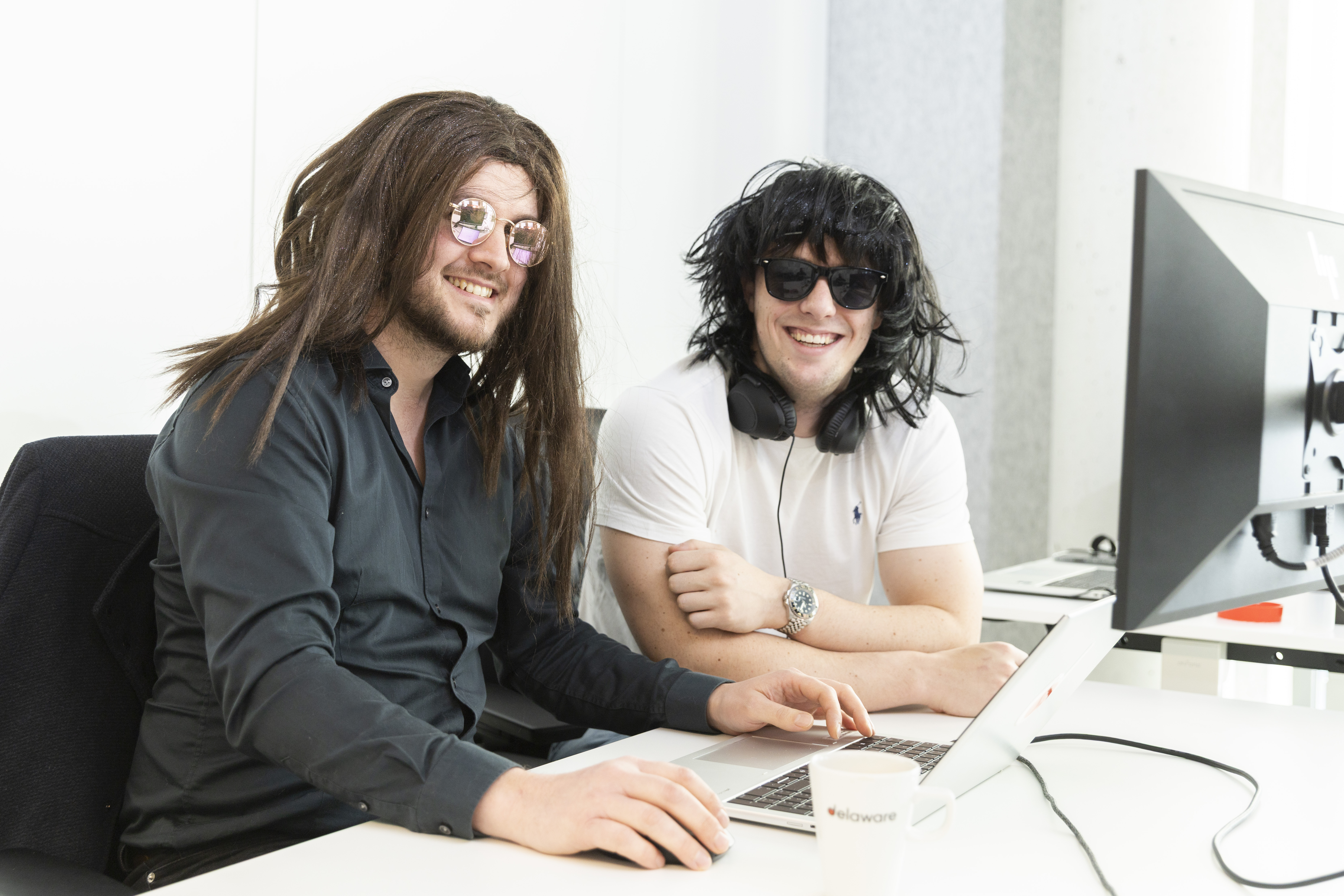
Not exactly a typical Friday night apéro, yet eleven teams showed up and stayed well into Saturday. The Vibathon offers a focused way to learn by doing, outside day-to-day customer projects - with room to try things out, follow an idea a bit further, and explore together.

Every challenge starts with simple ideas from everyday work. A customer conversation that sticks, a half-baked thought after a coffee break, or a question shared between colleagues.

Over 24 hours, those ideas turned into 11 working prototypes. The challenges were serious; the team names occasionally less so 😉. A few examples:

  • Hackstreet Boys: prototyping a tool to check resource compliance against security baselines

  • The Wiki Warriors: generating consistent Salesforce documentation from metadata, integrated with Azure DevOps

  • Growth Optimization Engine: building an AI engine that turns analytics data into growth actions for e-commerce sites

It’s just plain old fun, and it offers so many exciting possibilities that I couldn't be happier spending my Saturday morning with colleagues. 
Vincent Stercken

the winning case: Securitas

One of the most compelling cases of the Vibathon came from a collaboration with Securitas. The challenge focused on workforce planning, a problem that looks straightforward on the surface but quickly becomes complex in practice.

At Securitas, planning involves a complex mix of hard parameters (contracts, certifications, availability) and human realities (regional knowledge, personal situations, temporary constraints). Planners know their people well, but that knowledge often stays local. Cross-regional coordination is difficult, time-consuming and largely manual.

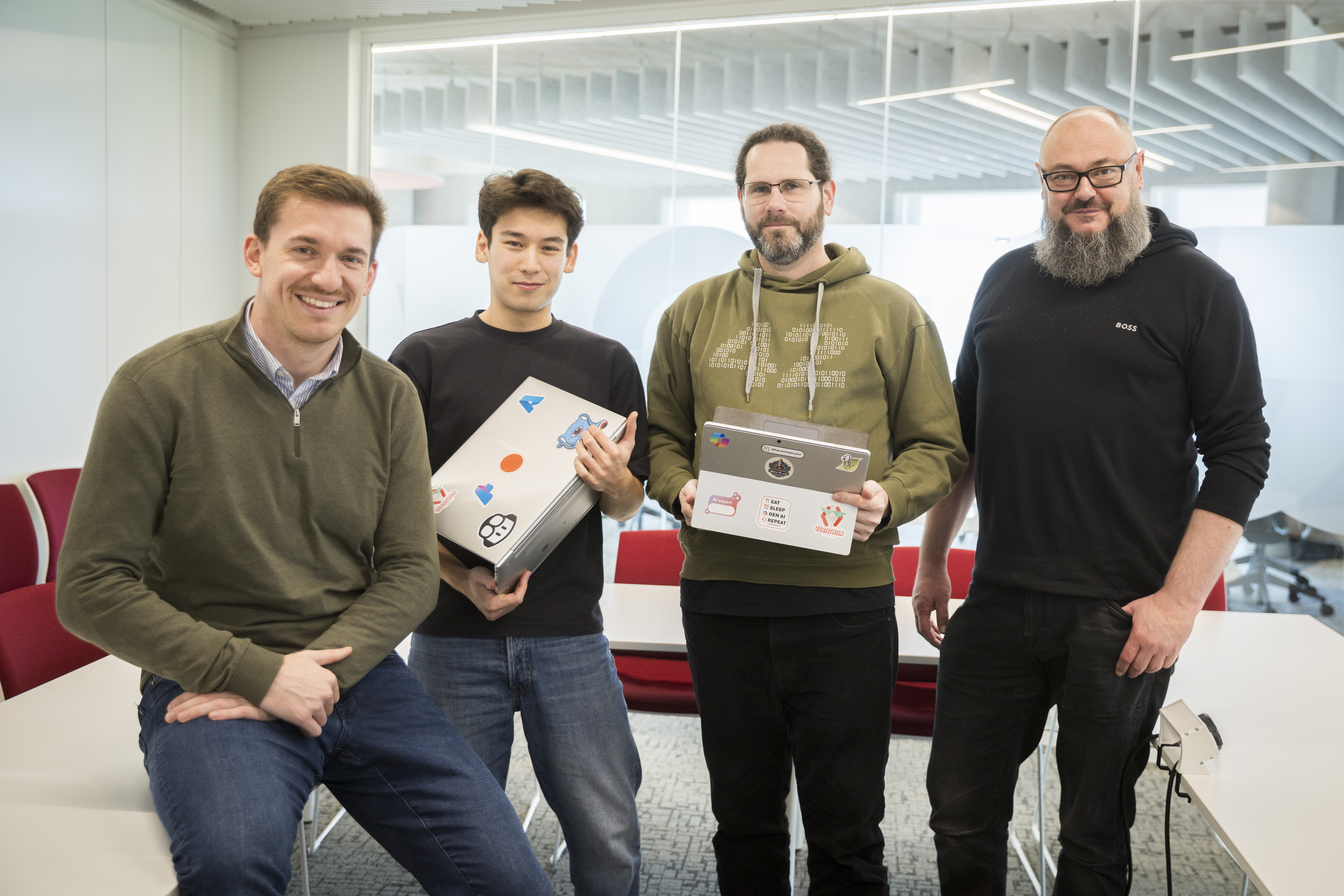
In just 24 hours, the team of Vincent, Siebe, Ken & Peter built a prototype based on an agentic workflow, combining:

  • a frontline app where employees can submit leave requests
  • a backend holding all relevant parameters
  • Temporary digital twins (AI agents) created for each eligible employee
  • a central orchestrator agent that “negotiates” between those agents to rebalance schedules

The result was a realistic, working concept that the winning team would proudly present to Securitas as a suggestion for future implementation. 🏆

a next edition in the works

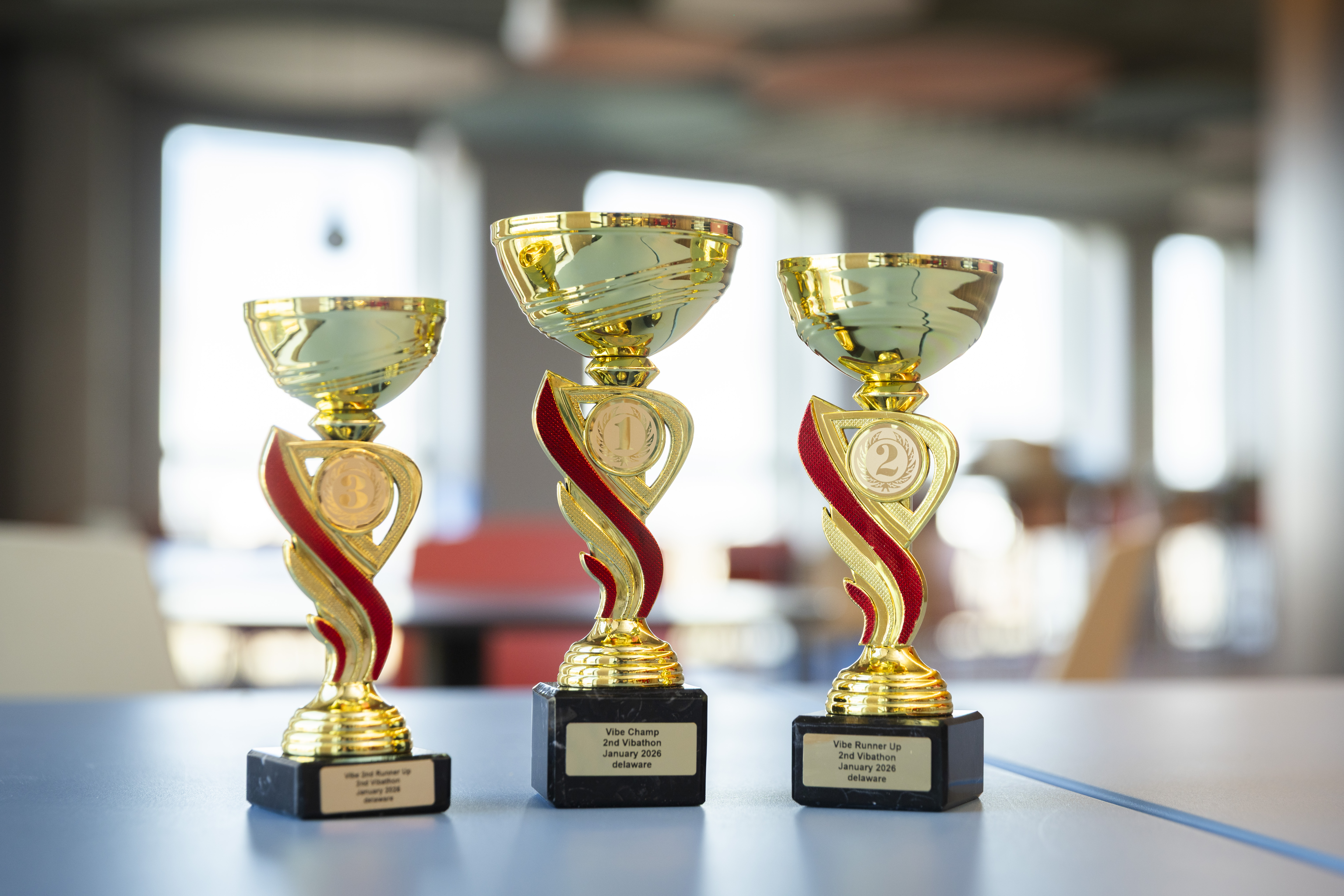
While the Securitas case took home the trophy, it probably won't be gathering dust on the team's shelf for long with the next Vibathon already on the horizon. A future edition in October is coming up, opening up the concept to customers too. More info soon!

In the meantime, a growing internal community is taking shape at delaware. Colleagues keep experimenting with the AI tools available to them, sharing experiences, helping each other forward. It’s a way to keep learning and exploring going, even outside the 24-hour format.

Mathieu, one of our Vibathon initiators, adds: "It’s inspiring to see that a colleague who was a complete beginner during the first edition of the Vibathon is now one of the go-to people when questions come up around vibe coding and GenAI. Excitement and exploration can go a long way. "

soak up the atmosphere

or should we say: catch the "vibe"? 😉

care to join us next time?

You can! For inquiries about the next vibe coding hackathon, you can reach out to Tallin Van Rie or Mathieu Daems