Building the future of sustainable food with COSUCRA

Oct 12, 2026
  • food

Belgium-based ingredients supplier COSUCRA helps customers to be the best option on the shelf, ready to meet new dietary needs and consumption trends worldwide. CEO Eric Bosly discussed sustainable operations and the drive towards Net Zero.

Sustainability is a strong ingredient within operations at COSUCRA. After a long journey, COSUCRA’s belief in having a strong CSR plan and working hard to implement it has borne fruit with the award of B Corp certification.

“In the field of CSR, there are numerous certifications, more or less well-known, more or less serious, more or less difficult,” explained CEO Eric Bosly. “We decided to go for the one we felt had the best international reputation. This certification process took almost two years and has reviewed in depth all our processes focusing on evidence, indicators and not on slogans.”
A shared commitment to building for the future

COSUCRA has been a delaware customer since 2010. Over the years, that long-standing partnership has grown around a shared ambition: using technology and data to support more efficient, reliable and sustainable production.

But COSUCRA’s transformation goes well beyond technology. From more sustainable agriculture and local sourcing to ambitious Net Zero targets, the company is rethinking different parts of its value chain for the long term.

In this article, originally published in Inside Sustainability, COSUCRA CEO Eric Bosly shares how the company is putting those ambitions into practice.

This article was written by Phil Nicholls for Inside Sustainability.

Sustainability at the heart of COSUCRA’s strategy

With ingredients dedicated to improving consumer health while helping to mitigate climate change, COSUCRA sits at the heart of the challenge of our times. The company supports customers by offering an integrated system of innovation at three levels: processes, ingredients, and food and drink concepts.

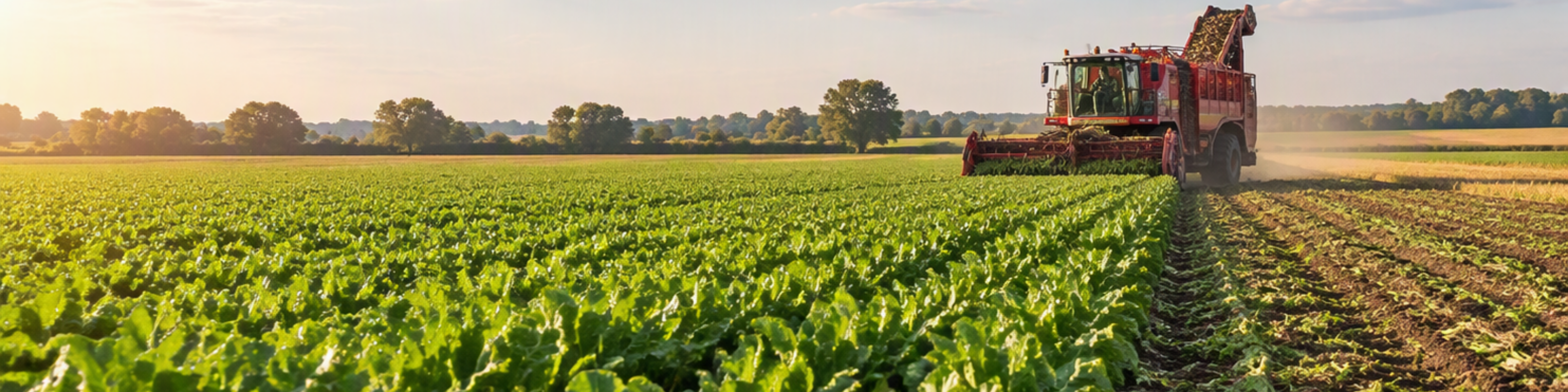
Operating from two plants in Warcoing, Belgium, with each factory dedicated to a single raw material, either chicory root or yellow pea, COSUCRA’s advanced and sustainable agricultural techniques are providing consumers with alternative food options.

COSUCRA processes 255,000 tonnes of raw materials, generating a turnover of €145m. The company is driven by a dedicated R&D team of experts, comprising 10% of its 350-employee workforce. COSUCRA also has access to a 360° ecosystem of university, research institutes and innovation clusters.

“This allow us to be at the forefront of the latest trends and innovations in the food industry,” said Mr Bosly. “As we address the challenge of sustainability, we are part of the solution with our vegetable protein that has a much lower impact on the planet, compared to animal alternatives.

“But on the other hand, our industrial activities require a substantial amount of energy, and the volume of production is impacting our ecosystem.”

We want to have a positive effect on land use, biodiversity and climate change, while we also help our people and our customers strive for a better future.
Eric Bosly, CEO at COSUCRA

Driving towards Net Zero by 2040

At the heart of COSUCRA’s commitment to sustainability is the goal of becoming Net Zero by 2040. Central to this process is a €150 million investment programme to drastically reduce the use of natural gas in operations. COSUCRA aims to cut its carbon footprint by 50% through this process.

“We are currently in Y3 of this programme,” continued Mr Bosly. “The main feature will be the commissioning of our new gas-fired electrical cogeneration unit in September 2027.”

In parallel to this disruptive investment to electrify its chicory plant and slash energy consumption, COSUCRA is also investigating the potential offered by new energy sources as it seeks further ways to reduce its carbon footprint.

“Currently, we would like to implement a biomethane process,” Mr Bosly explained. “This would allow us to ferment all our residues and produce a substantial quantity of natural gas, that will be reused as an energy source for the factory.”

COSUCRA is committed to achieving Net Zero as the next step on its sustainability journey. This goal seems accessible for 2040, as part of a strategy following the Doughnut Theory developed by English professor Kate Rayworth. This theory is a good illustration of what is at stake for business today and tomorrow. According to Ms Rayworth, a company can only achieve sustainable success if it meets basic societal needs while reducing its impact on the planet.

“Of course, at COSUCRA, we cannot tackle all of the nine planetary boundaries,” said Mr Bosly. “But I would like to mention the ones where we can have an impact: land use, biodiversity and climate change. We want to have a positive effect in these areas, while we also help our people and our customers strive for a better future.”

Building a resilient European pea protein supply chain

The European pea protein market is currently experiencing a period of change. In August 2025, the European Commission initiated an anti-dumping investigation concerning imports of pea protein from China. The concern was that these imports were harming the European pea protein industry. Based on this EC investigation, from April 2026, provisional anti-dumping duties on pea protein imports from China now apply, with duties ranging from 40.5% to 67.4%.

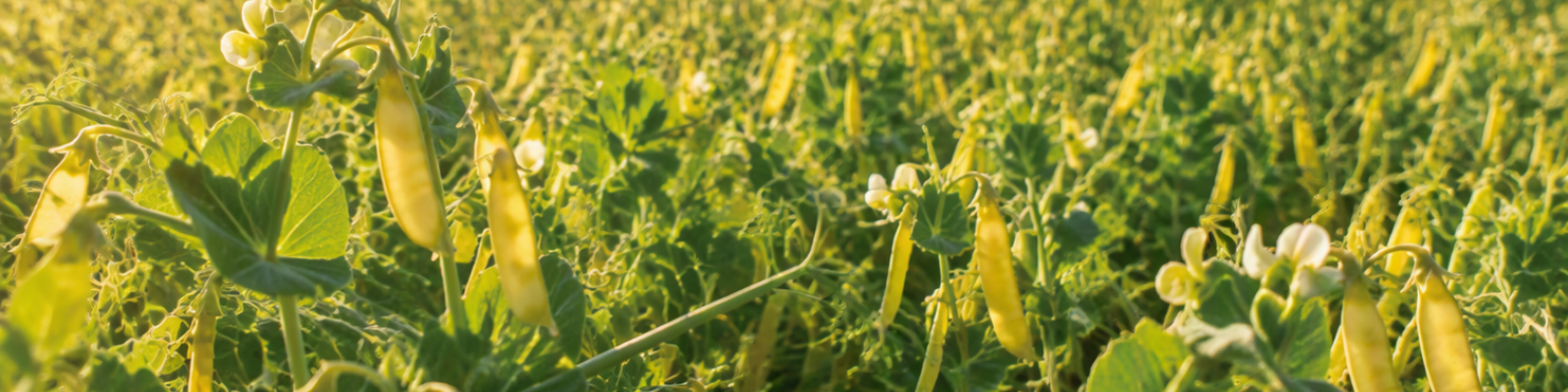
COSUCRA is following the situation closely, as yellow pea is a major part of the company’s product range. COSUCRA processes yellow pea into three ingredients: PISANE™, pea protein; SWELITETM, pea fibre; and NASTAR™, native pea starch.

“We are fully committed to supporting the market,” noted Mr Bosly. “Thanks to our local sourcing strategy, within a 300 km radius, and our long-standing expertise in pea protein production, COSUCRA can ensure a stable supply that will not be affected by those potential anti-dumping duties.”

We collaborate with farmers by proposing our best adapted seeds (we have our own breeding activity), crop rotation strategies and agronomic practices.
Eric Bosly, CEO at COSUCRA

Partnering with farmers for more sustainable agriculture

Indeed, COSUCRA’s relationship with farmers is core to the business model. Alongside sourcing raw materials, the company builds long-term partnerships with local agricultural communities, particularly in Belgium and France.

“Our approach is based on trust and long-lasting partnership,” Mr Bosly explained. “We have sourced chicory from some farmers for more than twenty years, sometimes from the father of the current farmer. In this way, we can ensure consistent quality while also supporting the transition toward more sustainable agricultural practices.

“For example, we collaborate with farmers by proposing our best adapted seeds (we have our own breeding activity), crop rotation strategies and agronomic practices. This is a win-win approach, where the farmer achieves attractive return without damaging his soil and COSUCRA receives a premium quality raw material to process.”

Raising sustainability standards across the value chain

COSUCRA promotes SAI certification for all of its farmers. SAI-certified farms are assessed through the Farm Sustainability Assessment, a global benchmark developed by the food industry. This process evaluates environmental, social and economic practices, encouraging continuous improvement rather than a simple pass/fail certification. COSUCRA’s ambition is to reach 50% of its supply from SAI gold certified farms by 2030.

Of course, all of COSUCRA’s suppliers play a key role in its value chain. The company firmly believes that success can only be sustainable if it is part of a collective effort, where the entire ecosystem grows in partnership. This collaborative approach is based on three essential pillars: trust, transparency and a shared commitment.

“I am very fortunate to combine my work with a passion for food and health,” explained Mr Bosly, in conclusion. “In my position, I enjoy a wide freedom to operate, allowing me to launch initiatives that will impact both our company and the people around me. Working in a family business means that I am not bound to quarterly results, but can build something long-term to develop valuable initiatives.”

Building a more sustainable food business?

From smarter operations to more resilient value chains, we help food companies use technology to tackle today’s challenges and prepare for what’s next.

Related content